

Smart Home Glossary
What Is an Apartment Access Control System?
An apartment access control system is the set of connected components, from door readers and locks to controllers, software and networking, that work together to manage entry throughout an apartment building.
Apartment Access Control System Definition
An apartment access control system is the complete infrastructure that decides who can open each controlled door in a building. It includes the hardware at the door, the controllers or cloud service that hold permissions, the software staff use to manage residents and the power and network connections that keep everything running.
How Does an Apartment Access Control System Work?
Think of the system in layers. At the door are readers, keypads or smart locks along with the hardware that physically releases the door. Behind them are controllers that make the decision to unlock.
Above the controllers sits management software, often cloud-based, where staff create resident profiles, assign credentials and set schedules for each door or group of doors.
Tying it together are power supplies, backup power where appropriate, and network connections that carry permission updates and event logs between the door and the software.
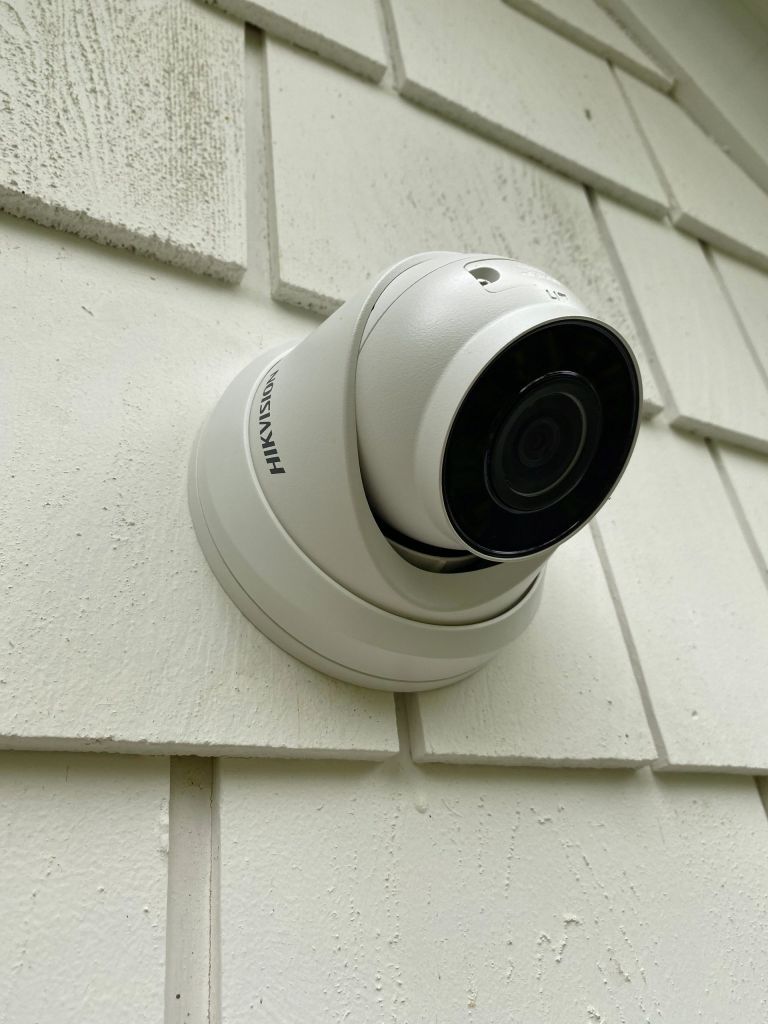
Components of an Apartment Access Control System
Readers & Keypads
Devices at the door that read fobs, cards, codes or mobile credentials.
Locking Hardware
Electric strikes, maglocks, smart locks or motorized hardware that secure and release doors.
Door Controllers
Panels that store or relay permissions and decide whether to unlock each door.
Management Software
The interface staff use to add residents, issue credentials and set door schedules.
Power & Backup
Power supplies and backup options that help keep doors operating as designed.
Network Connections
Wired or wireless links that carry updates and event logs across the system.
Planning an Access Control System for Your Building?
Al’s Smart Housing can help design and install access hardware, cabling, power and networking for apartment access control systems.
Benefits of a Well-Designed Access Control System
Central Permission Management
Control every connected door from one place instead of managing keys door by door.
Flexible Door Groups
Group doors by building, floor or amenity so permissions are easier to assign.
Reliable Operation
Proper power and network planning helps doors behave consistently.
Event History
Logs can show when controlled doors were used and by which credential.
Expandability
Additional doors, readers or buildings can often be added to the same system.
Integration Potential
Systems may connect with intercoms, cameras or other building technology.
Wired vs. Wireless Access Control Components
| Factor | Wired Components | Wireless Components |
|---|---|---|
| Installation | Requires cable paths to each door | Fewer cable runs needed |
| Power | Typically powered from central supplies | Often battery powered at the lock |
| Best fit | Main entrances, gates, high-traffic doors | Unit doors and harder-to-wire locations |
| Maintenance | Fewer battery changes | Batteries must be monitored and replaced |
Cloud-Based vs. On-Site Systems
Some access control systems keep permissions on controllers inside the building and are managed from an on-site computer. Others are cloud-based and managed through a web portal or app.
Cloud-based systems can make remote management and multi-site oversight easier, while on-site systems keep more of the operation inside the building.
Either way, the physical installation at the door, including wiring, hardware and network, is what determines how reliably the system works day to day.
Designing Around Each Door
Not every door needs the same equipment. A heavy main entrance, a garage gate and a fitness room door each have different hardware, power and mounting needs.
A door-by-door survey helps identify frame types, wiring paths, exposure to weather and the type of lock that fits.
Door hardware must also respect egress and life-safety requirements under local code, so system design is typically coordinated with the appropriate professionals. See our apartment access control page for more on planning.
Why Power and Network Planning Matter
An access control system is only as dependable as the power and network behind it. Unplanned power supplies or weak network links can cause doors to behave unpredictably.
Planning dedicated power, appropriate backup and stable network connections for controllers and readers helps the system stay online.
It is also important to understand and document how each door is designed to behave during a power or network interruption.
Standalone Locks vs. Networked Systems
Standalone Locks
Standalone electronic locks store codes or credentials at the door itself. They can be simple for small properties but are usually managed one lock at a time.
Networked Systems
Networked systems connect doors to central controllers or software, allowing permissions and schedules to be managed across the whole building.
Build a Dependable Access Control Foundation
Explore professional access control, networking, security, lighting, audio and video solutions from Al’s Smart Housing.
FAQs
Apartment Access Control System FAQs
What is an apartment access control system?
It is the combination of door hardware, controllers, software, power and networking used to manage entry in an apartment building.
What are the main components?
Readers or keypads, locking hardware, controllers, management software, power supplies and network connections.
Is access control software cloud-based?
Many modern systems are, though some are managed from on-site servers or controllers.
Do all doors need wired hardware?
No. Main entrances and gates are often wired, while unit doors may use wireless smart locks.
What happens during a power outage?
Behavior depends on the hardware and design. Backup power and door settings should be planned and documented.
Can more doors be added later?
Usually, yes. Many systems can expand to additional doors, readers or buildings.
Does access control need to follow building codes?
Yes. Door hardware and egress must follow local code, so projects are coordinated with the appropriate professionals.
Who installs apartment access control systems in Connecticut?
Al’s Smart Housing provides professional smart technology solutions including access control, automation, Lutron systems, WiFi and networking, security, home audio and video, and home theater.
Plan an Access Control System for Your Apartments
Speak with Al’s Smart Housing about professionally designed access control hardware, networking and security for apartment buildings.

