Smart Home Glossary
What Is Affordable Housing Resident Technology?
Affordable housing resident technology is the technology residents interact with directly, including building WiFi, secure entry, video intercoms, in-unit controls and connected community spaces.
Affordable Housing Resident Technology Definition
Affordable housing resident technology describes the systems designed around the resident experience in affordable communities. While some building technology works behind the scenes for staff, resident technology is what people touch, use and depend on daily, from getting in the front door to connecting to the internet in a community room.
How Does Resident Technology Work?
Resident technology is usually built on a property-wide network that connects entry systems, intercoms, WiFi access points and shared-space equipment.
Residents interact through simple tools: a fob or code at the door, a video intercom panel, a thermostat in their unit or a display in the community room.
Some properties also use resident apps or portals provided by software vendors. Those tools depend on residents having reliable connectivity on-site.
Examples of Resident Technology in Affordable Housing
Community WiFi
Connectivity in lobbies, community rooms and study areas helps residents get online.
Secure Entry
Fobs, cards or codes give residents convenient, controlled access to the building.
Video Intercoms
Residents can see visitors and grant entry from their unit or phone, depending on the system.
In-Unit Climate Controls
Easy-to-use thermostats let residents set comfortable temperatures.
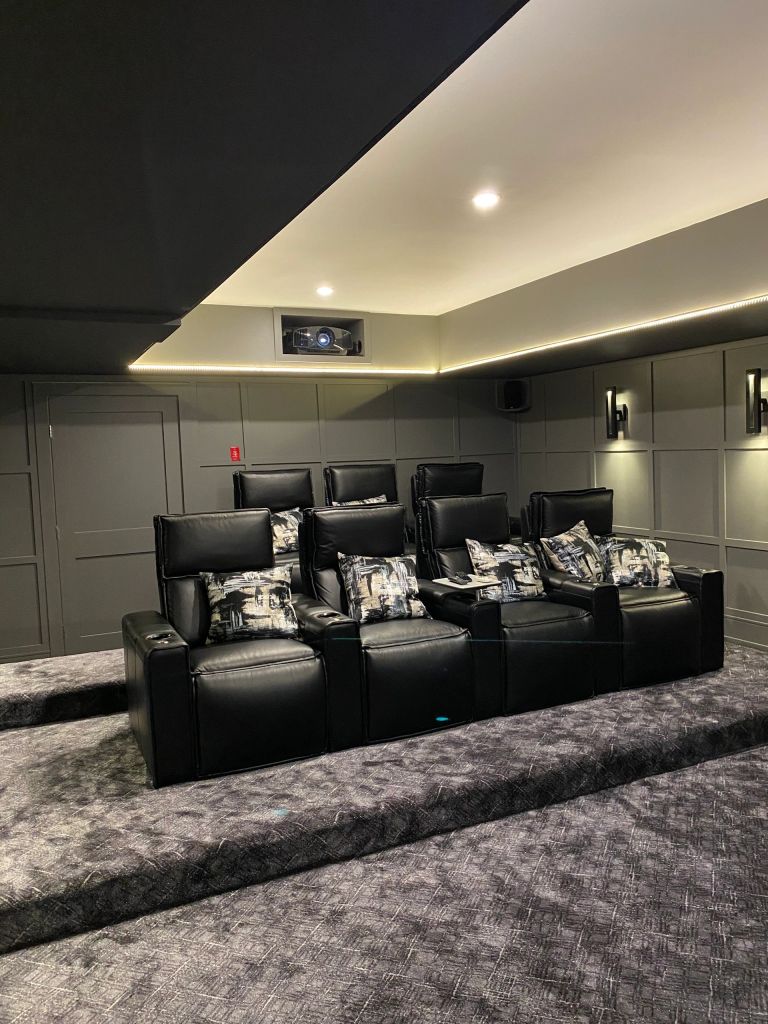
Community Room AV
Displays and audio support classes, meetings, movie nights and resident programs.
Package Areas
Secure, camera-monitored package rooms help residents receive deliveries.
Improving Technology for Your Residents?
Al’s Smart Housing can plan community WiFi, secure entry, video intercoms and community room AV that residents can rely on.
Benefits of Resident Technology
Easier Connectivity
Shared WiFi spaces help residents access online services and resources.
Convenient Entry
Credentials are easier to carry and replace than traditional keys.
Visitor Confidence
Video intercoms let residents see who is at the door.
Comfortable Homes
Simple in-unit controls help residents manage comfort.
Stronger Community
Well-equipped community rooms make resident programs easier to host.
Reliable Deliveries
Secure package areas can reduce missed or misplaced deliveries.
Shared-Space Technology vs. In-Unit Technology
| Factor | Shared-Space Technology | In-Unit Technology |
|---|---|---|
| Examples | Community WiFi, AV, package rooms | Thermostats, intercom stations, lighting |
| Who Manages It | Property staff | Residents, with property support |
| Design Priority | Durability and easy operation | Simplicity and comfort |
| Support | Maintained by the property | Resident education plus repairs |
Connectivity for Residents
Reliable connectivity has become part of everyday life, supporting school, job searches, telehealth appointments and staying in touch with family.
Properties may provide WiFi in community spaces or plan building infrastructure that makes in-unit service easier to deliver, depending on their approach.
Good coverage design, sensible bandwidth planning and separation from building systems all contribute to a dependable resident experience.
Making Technology Easy for Every Resident
Residents in affordable communities may include seniors, families, people with disabilities and people with limited technology experience.
Choosing intuitive devices, mounting controls at accessible heights and keeping non-app options available makes technology inclusive.
Simple printed guides and a staff member who can explain the systems at move-in go a long way.
Why Digital Access Matters in Affordable Communities
Many everyday services now happen online. Residents without reliable access can find it harder to complete schoolwork, apply for jobs or access important information.
Shared connectivity spaces and well-designed building networks are practical ways properties can support residents’ digital access.
Pairing connectivity with comfortable, equipped community rooms can create a place where residents use technology together.
New Communities vs. Existing Communities
New Communities
New properties can plan cabling, access points, intercom locations and community room AV during design for a seamless resident experience.
Existing Communities
Existing properties can improve resident technology in steps, often starting with community WiFi, entry upgrades or a community room refresh.
Create a Better Resident Experience
Explore WiFi, access control, intercom and audio-visual solutions from Al’s Smart Housing.
FAQs
Affordable Housing Resident Technology FAQs
What is affordable housing resident technology?
It is the technology residents use directly, such as WiFi, secure entry, video intercoms, in-unit controls and community room AV.
Why does WiFi matter for affordable housing residents?
Reliable connectivity supports school, work, healthcare access and communication.
Do residents need smartphones for resident technology?
Not necessarily. Many systems use fobs, cards, keypads and wall-mounted controls.
What is a video intercom?
It is an entry system that lets residents see and talk to visitors before granting access.
How can technology be made easier for seniors?
By choosing intuitive devices, offering non-app options and providing simple instructions.
Can community rooms include technology?
Yes. Displays, audio and WiFi can support meetings, classes and events.
Can existing properties upgrade resident technology?
Yes. Upgrades can be phased, starting with the highest-impact areas.
Who installs resident technology for affordable housing in Connecticut?
Al’s Smart Housing installs WiFi and networking, access control, video intercoms, security cameras and audio-visual systems in Connecticut.
Plan Resident Technology for Your Community
Speak with Al’s Smart Housing about professionally designed WiFi, entry, intercom and community room technology.

