
Smart Home Glossary
How Can AI Be Used in Affordable Housing?
In affordable housing, AI tools may help mission-driven teams with limited staff manage paperwork, resident communication and maintenance, as long as they are used carefully and with strong human oversight.
AI in Affordable Housing Definition
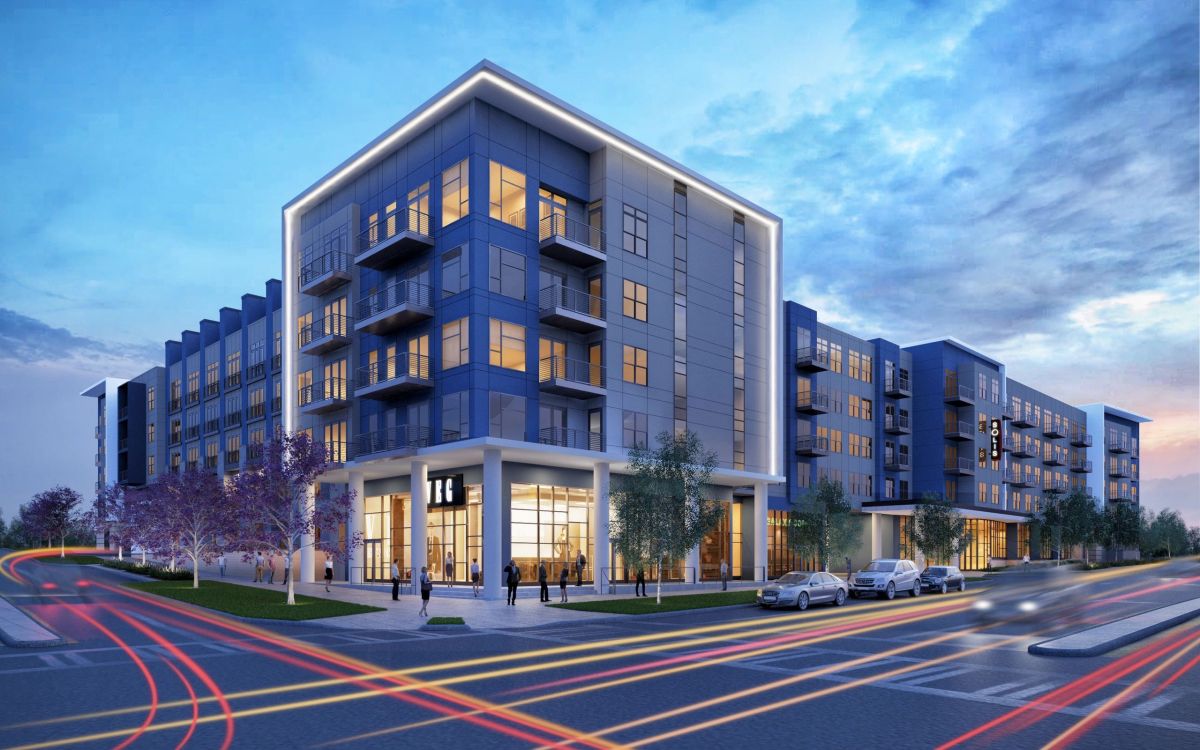
AI in affordable housing refers to artificial intelligence features that affordable housing owners, nonprofits and management teams may use to support administrative work, resident service and building operations. Because these properties serve residents with specific program rules and protections, careful review of any AI use is especially important.
How Might AI Support Affordable Housing Teams?
Affordable housing teams often handle detailed documentation, program requirements and resident needs with small staffs. AI features in software may help organize documents, draft routine communications or sort incoming requests.
Some organizations also look at building data, such as energy use or recurring maintenance problems, to help prioritize limited capital budgets.
Any use that affects residents’ eligibility, housing status or rights should be handled by qualified people following program rules, not left to automated tools.
Possible Uses of AI in Affordable Housing
Document Organization
Tools may help sort and summarize paperwork so staff can locate information more quickly.
Multilingual Communication
Translation features may help teams share notices with residents in more languages, with human review.
Request Triage
Incoming service requests can be grouped by type so urgent issues are easier to identify.
Maintenance Patterns
Reviewing service history may help identify aging equipment that needs attention.
Energy Insights
Where connected meters or thermostats exist, tools may help interpret energy usage trends.
Staff Knowledge Support
Assistants can help staff search internal policies and procedures.
Upgrading Technology in an Affordable Housing Property?
Al’s Smart Housing can help plan reliable networking, access control, cameras and connected systems that fit your building and budget.
Potential Benefits for Affordable Housing
Support for Lean Teams
Routine administrative steps may take less time for small staffs.
Clearer Communication
Drafting and translation help can make notices more accessible, with staff review.
Prioritized Repairs
Organized requests and service patterns can help focus limited maintenance resources.
Energy Awareness
Building data can inform discussions about efficiency upgrades.
Better Records
Organized documents can support reporting and internal reviews.
More Time With Residents
Less time on routine tasks can leave more room for resident support.
Appropriate vs. High-Risk AI Uses in Affordable Housing
| Use | Lower-Risk Example | Requires Strong Human Control |
|---|---|---|
| Communication | Drafting a building-wide notice | Responses about a resident’s individual case |
| Documents | Organizing and summarizing files | Determining eligibility or compliance |
| Maintenance | Sorting requests by category | Deciding repair responsibility |
| Data | Reviewing energy trends | Any decision affecting tenancy |
Fairness and Privacy Considerations
Affordable housing serves residents who are protected by fair housing laws and program rules. Any tool that touches resident information should be reviewed for accuracy, bias and appropriate use.
Sensitive personal and financial information requires strong privacy and security practices, and organizations should understand how a vendor handles data.
Residents should always be able to reach a person and understand how decisions about their housing are made.
Practical Building Technology First
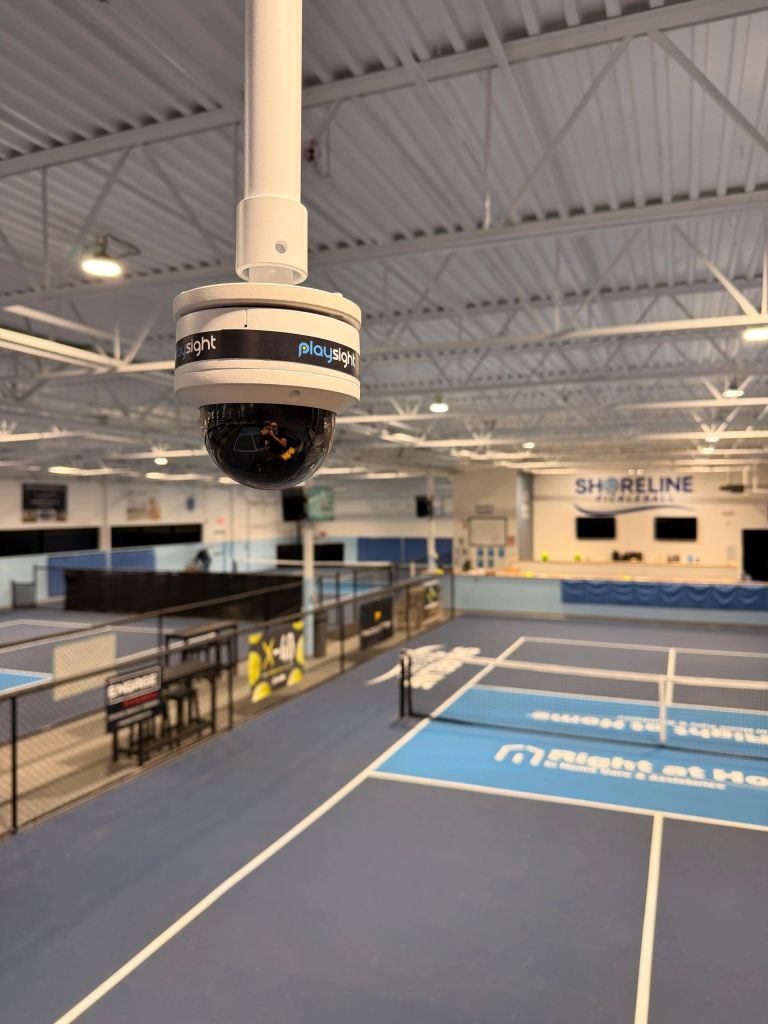
For many affordable properties, the most immediate improvements are practical: dependable WiFi, secure entry, camera coverage in shared spaces and efficient lighting controls.
These systems improve daily life and safety on their own, without requiring any AI.
They also create a documented, connected foundation that the organization can build on later if it chooses to use data-driven software.
Why Budget-Conscious Planning Matters
Affordable housing budgets are often tight and tied to funding cycles. Technology choices should be durable, supportable and matched to the property’s real needs.
Choosing compatible, widely supported equipment can help avoid systems that become difficult to service or replace.
Phased upgrades, such as improving the network before adding connected devices, can spread costs while building toward a more capable property.
New Affordable Developments vs. Existing Properties
New Developments
New construction can include networking, access control and efficient lighting controls in the original design, often at lower cost than retrofitting later.
Existing Properties
Occupied buildings can add technology in phases during unit turns or capital projects, prioritizing safety and connectivity first.
Practical Technology for Affordable Housing
Explore professional networking, security, access control, lighting, audio and video solutions from Al’s Smart Housing.
FAQs
AI in Affordable Housing FAQs
How can AI be used in affordable housing?
It may help organize documents, draft or translate communications, sort service requests and review maintenance or energy patterns.
Should AI make eligibility decisions?
No. Decisions about eligibility, compliance or tenancy should be made by qualified staff following program rules.
What are the main concerns with AI in affordable housing?
Accuracy, bias, fair housing compliance, privacy and data security are the key concerns to evaluate.
Can AI help small affordable housing teams?
Some features may reduce time spent on routine administrative tasks, as long as staff review the results.
Does AI require new building equipment?
Software-only features do not, but uses involving building data need connected devices and reliable networking.
What technology should affordable properties prioritize?
Many start with dependable networking, secure entry, shared-space cameras and efficient lighting controls.
Does Al’s Smart Housing provide AI software?
No. Al’s Smart Housing installs and integrates on-site technology such as networking, access, cameras and automation.
Who installs building technology for affordable housing in Connecticut?
Al’s Smart Housing provides automation, Lutron systems, WiFi and networking, security cameras, access control, home audio and video, and home theater solutions.
Plan Durable Technology for Your Property
Speak with Al’s Smart Housing about networking, access control, security and lighting technology suited to affordable housing properties.

