
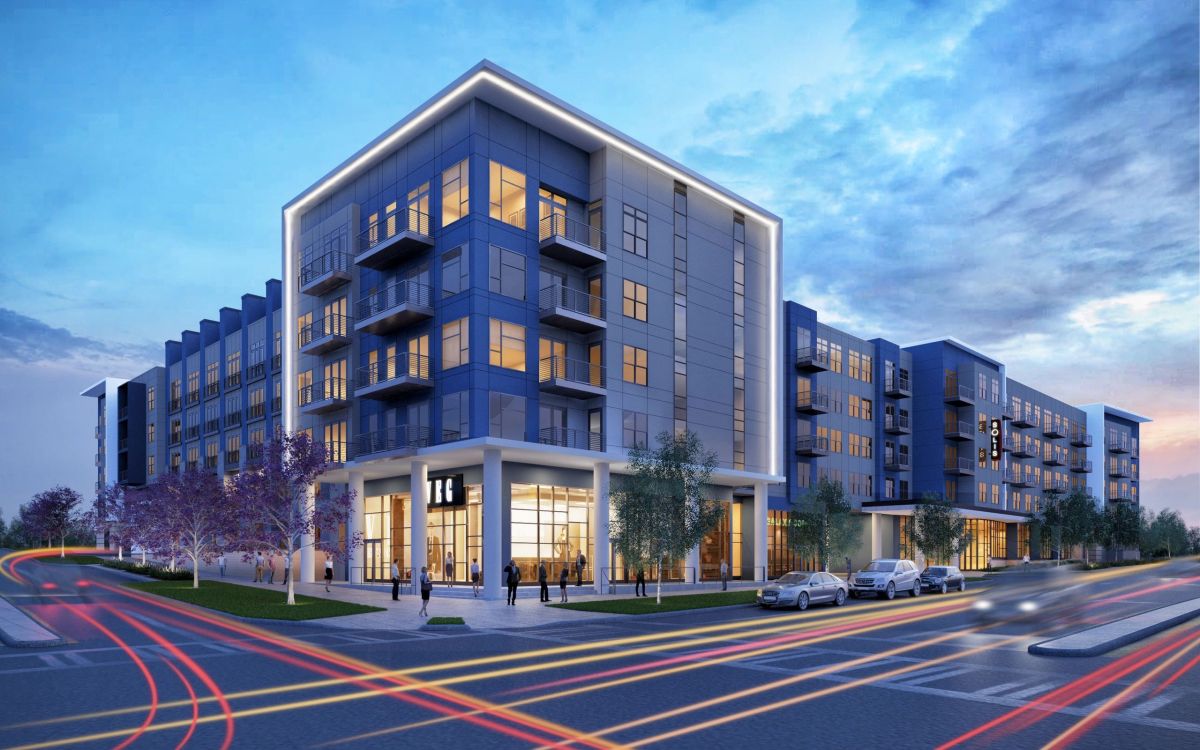
Smart Home Glossary
What Is AI Building Management?
AI building management applies artificial intelligence to the data produced by a building’s physical systems, such as HVAC, lighting, access and sensors, to help operators understand performance and decide what to adjust.
AI Building Management Definition
AI building management is the use of AI-based analysis within building management or automation platforms to interpret equipment and sensor data. Unlike AI in property management software, which focuses on leases and residents, it focuses on how the building itself is operating.
How Does AI Building Management Work?
A building first needs connected systems that report information: thermostats, HVAC controls, lighting controls, meters, access panels or environmental sensors.
That data flows over the building network to a management platform. AI features look for patterns, such as equipment running outside normal ranges or spaces being conditioned when they are empty.
The platform then flags findings or suggests adjustments. Depending on the system, operators may approve changes, or some routine adjustments may be automated within limits they set.
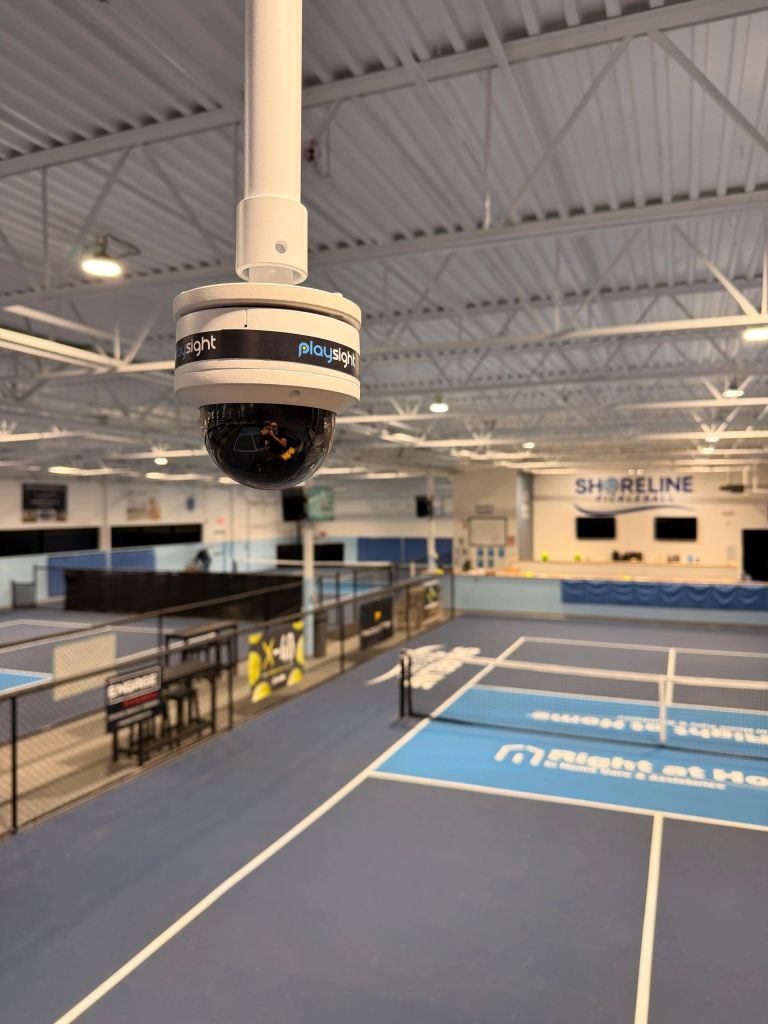
Building Systems AI Management May Use
HVAC & Climate
Connected thermostats and HVAC controls can report temperatures, run times and setpoints.
Lighting Control
Lighting systems can share schedules, occupancy and usage information for common areas.
Energy Meters
Meters and submeters show how much energy different areas or systems use.
Access Control
Entry logs can indicate how spaces are used throughout the day.
Environmental Sensors
Leak, humidity, temperature and air quality sensors can highlight conditions that need attention.
Equipment Monitoring
Pumps, boilers and other equipment may report status when compatible monitoring is installed.
Making Your Building’s Systems Connected?
Al’s Smart Housing can install networking, lighting controls, access control, cameras and connected devices that give your building a reliable data foundation.
Potential Benefits of AI Building Management
Earlier Awareness
Unusual equipment behavior may be noticed before it becomes a bigger problem.
Energy Insight
Usage patterns can highlight areas worth reviewing for efficiency.
Comfort Consistency
Climate trends can help operators keep shared spaces comfortable.
Smarter Schedules
Lighting and HVAC schedules can be reviewed against real occupancy patterns.
Organized Alerts
Grouping related alarms can make alerts easier for staff to act on.
Informed Upgrades
Performance data can support decisions about equipment replacement.
Traditional Building Automation vs. AI-Assisted Management
| Aspect | Traditional Automation | AI-Assisted Management |
|---|---|---|
| Rules | Fixed schedules and setpoints | Suggestions based on observed patterns |
| Alerts | Individual alarms | Grouped or prioritized alerts |
| Analysis | Manual review of trend logs | Automated pattern detection |
| Adjustments | Made by operators | Suggested or automated within set limits |
What AI Building Management Needs
The most important requirement is good data. Sensors and controls must be installed correctly, labeled clearly and connected reliably.
Systems also need to be able to share information, either through compatible protocols or an integration layer, which takes careful planning.
Finally, someone needs to own the results. Operators should review findings, confirm what is happening on site and decide what to change.
Limitations and Cautions
AI analysis can misread a situation if a sensor is faulty, mislabeled or placed poorly, so physical verification still matters.
Automated changes should have limits, so comfort, safety and equipment protection are not compromised by an incorrect suggestion.
Connected building systems should also be secured, with network segmentation and access controls that protect them from misuse.
Why Network Security Matters for Connected Buildings
Every connected controller, sensor and panel is a device on the network. Keeping building systems separate from resident and guest traffic helps protect both.
Network segmentation, strong credentials and documented device inventories are basic practices for any connected building, with or without AI.
Planning security alongside installation is easier than adding it after many devices are already in place.
Residential Buildings vs. Mixed-Use Properties
Residential Buildings
Focus often falls on common-area lighting, central heating and cooling, leak detection and access patterns in shared spaces.
Mixed-Use Properties
Retail, office and residential areas may have different schedules and systems, making coordinated data and controls more complex but potentially more valuable.
Build a Connected Foundation for Your Building
Explore professional networking, lighting control, access, security, audio and video solutions from Al’s Smart Housing.
FAQs
AI Building Management FAQs
What is AI building management?
It is the use of AI-based analysis to interpret data from building systems like HVAC, lighting, access and sensors.
How is it different from a building automation system?
Traditional automation follows set rules, while AI-assisted management looks for patterns and suggests or makes adjustments within limits.
What does a building need for AI management?
Connected systems that report data, reliable networking and a platform able to collect and analyze that information.
Can AI building management run without staff?
No. Operators should review findings, verify conditions on site and set limits on any automated changes.
Is AI building management secure?
Security depends on how systems are installed and networked. Segmentation and strong access practices are important.
Can older buildings use AI building management?
Some can, often after adding connected controls, sensors and networking to existing equipment.
Does Al’s Smart Housing provide AI building platforms?
No. Al’s Smart Housing installs and integrates networking, lighting control, access, cameras and connected devices.
Who installs connected building systems in Connecticut?
Al’s Smart Housing provides automation, Lutron systems, WiFi and networking, security cameras, access control, home audio and video, and home theater solutions.
Plan Connected Systems for Your Building
Speak with Al’s Smart Housing about networking, lighting control, access and connected technology that supports smarter building management.

