Smart Home Glossary
What Is a Connected Building Platform?
A connected building platform is the software and network layer that links a building’s separate systems, such as lighting, access, cameras and climate, so they can be viewed and managed from one place.
Connected Building Platform Definition
A connected building platform is a central environment, usually a combination of software, controllers and network infrastructure, that gathers information from compatible building systems and lets authorized users monitor, control or automate them. It acts as the common ground where otherwise independent equipment can share status and respond to one another.
How Does a Connected Building Platform Work?
Each building system, whether it is a lighting processor, an access controller, a camera recorder or a thermostat, connects to the platform through the network or through a supported integration. The platform then presents those systems through a dashboard, app or control interface.
Once systems are connected, the platform can display status in one view, send alerts and run rules. For example, a common-area lighting scene might change at closing time, or staff might receive a notification when a door is held open.
How much a platform can do depends on which systems it supports, how they are wired and networked, and how carefully the integrations are configured during installation.
What Can a Connected Building Platform Bring Together?
Lighting Processors
Common-area and unit lighting controls can report status and follow schedules or scenes set through the platform.
Access Controllers
Door and gate controllers can share entry events so staff can see activity alongside other building information.
Video Recorders
Camera systems can be linked so footage is easier to locate when an alert or event needs review.
Climate Equipment
Compatible thermostats and HVAC controls can be monitored and scheduled for shared spaces.
Network Equipment
Switches, access points and gateways form the communication layer the platform depends on.
Amenity Systems
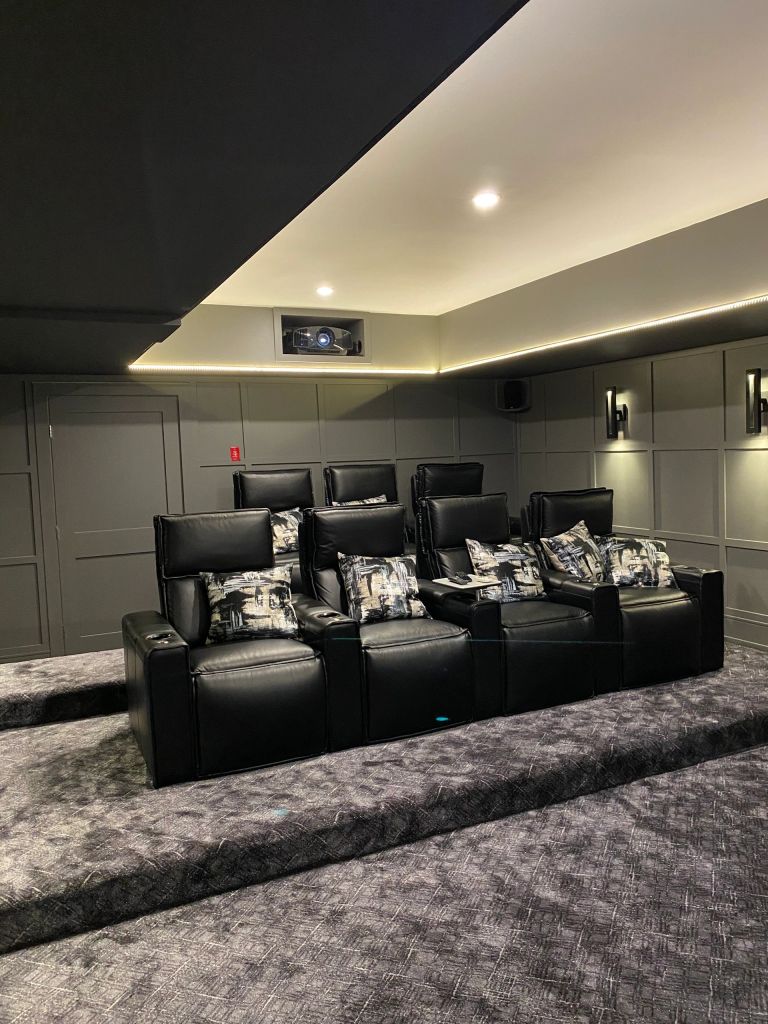
Audio, video and display equipment in lounges or fitness areas can be included where integrations allow.
Connecting the Systems in Your Building?
Al’s Smart Housing can help plan the networking, lighting, access, camera and audio/video infrastructure that a connected building platform relies on.
Benefits of a Connected Building Platform
One View of Many Systems
See the status of compatible building systems without switching between separate tools.
Faster Awareness
Alerts and event logs can help staff notice issues sooner.
Coordinated Automation
Let systems respond to each other, such as lighting changing with a schedule or an event.
Simpler Staff Training
A shared interface can be easier to learn than many separate ones.
Room to Grow
Additional systems or buildings may be added as integrations become available.
Better Documentation
Centralized configuration can make it easier to understand how a building is set up.
Connected Building Platform vs. Standalone Systems
| Area | Standalone Systems | Connected Building Platform |
|---|---|---|
| Monitoring | Each system checked separately | Status gathered in one interface |
| Automation | Rules limited to one system | Rules can span compatible systems |
| Alerts | Notifications come from many sources | Alerts can be consolidated |
| Expansion | Each addition is its own project | New systems join an existing framework |
Platform Software vs. Building Infrastructure
It helps to separate the platform software from the physical infrastructure underneath it. The software is the interface and rules engine, while the infrastructure is the wiring, controllers, devices and network that actually carry signals.
Even an excellent platform cannot overcome weak infrastructure. Unreliable network links, poorly placed equipment or incompatible devices can limit what the platform is able to see and control.
Installers and integrators typically focus on the infrastructure side: running cable, mounting and configuring devices and making sure each system connects cleanly to the chosen platform.
Choosing What to Connect First
Many properties start by connecting the systems that staff check most often, such as access events, cameras and common-area lighting.
Starting with a small set of high-value integrations makes it easier to confirm everything works well before adding more equipment.
Planning the network and equipment locations for future additions at the start can avoid rework later when new systems are brought onto the platform.
Why Integration Planning Matters
Not every device works with every platform. Before equipment is purchased, it is worth confirming which systems are supported and how they will communicate.
Integration planning covers practical details such as which network each system will use, how devices will be named and organized, and who will have permission to change settings.
Taking time on these decisions early helps the finished platform feel organized and dependable rather than a collection of loosely linked parts.
Single Building vs. Multi-Building Properties
Single Building
A single building may connect its systems through one local network and controller setup, keeping the platform relatively straightforward to design and maintain.
Multiple Buildings
Campuses and communities with several buildings may need networking between sites and a consistent naming and equipment standard so every location appears clearly in the platform.
Build the Foundation for a Connected Building
Explore professional networking, lighting, access, security, audio and video solutions from Al’s Smart Housing.
FAQs
Connected Building Platform FAQs
What is a connected building platform?
It is a central software and network environment that links compatible building systems so they can be monitored, controlled or automated together.
What systems can connect to the platform?
Depending on the platform, lighting, access control, cameras, climate equipment, networking and amenity audio/video systems may be connected.
Is a connected building platform the same as a building automation system?
They overlap. A building automation system often focuses on mechanical equipment, while a connected building platform may bring together a wider mix of building technology.
Do all devices work with every platform?
No. Compatibility varies, so it is important to confirm supported integrations before selecting equipment.
Does a connected building platform need a strong network?
Yes. The platform depends on reliable network communication between systems, so network design is a key part of the project.
Can an existing building use a connected building platform?
Often, yes. Existing systems may be connected where compatible, and other systems can be upgraded over time.
Who manages the platform after installation?
Usually the property team or a chosen service provider, with access permissions set so the right people can make changes.
Who helps install connected building infrastructure in Connecticut?
Al’s Smart Housing provides professional smart technology solutions including automation, Lutron systems, WiFi and networking, security, access control, home audio and video, and home theater.
Plan Connected Technology for Your Building
Speak with Al’s Smart Housing about professionally designed networking, lighting, access, security, audio and video solutions for connected buildings.

