Smart Home Glossary
What Is a Connected Resident Experience?
A connected resident experience is one where a resident’s apartment, the building’s shared spaces and the technology linking them work together, so daily life feels coordinated rather than pieced together.
Connected Resident Experience Definition
A connected resident experience focuses on the physical technology residents live with: networking, smart unit devices, building entry and amenity systems that communicate with each other or share a common foundation. Where the digital resident experience looks at every online touchpoint, the connected experience centers on how in-building systems work together.
How Does a Connected Resident Experience Work?
It starts with a building-wide network that can support residents’ personal devices, smart unit equipment, cameras, access systems and shared-space technology at the same time.
On top of that network, compatible devices are installed in units and common areas. Residents may use a single credential to enter the building and their unit, control lighting and climate in their apartment and use amenity spaces.
The level of connection varies. Some properties link only a few systems, while others plan a more unified setup from the start of construction.
Building Blocks of a Connected Resident Experience
Property-Wide Networking
Consistent coverage from units to hallways, amenities and outdoor areas keeps residents and devices connected.
Smart Unit Controls
Compatible lighting, thermostats and shades give residents convenient control inside their apartments.
Unified Entry
One credential for the front door, unit and amenity spaces can simplify how residents move through the building.
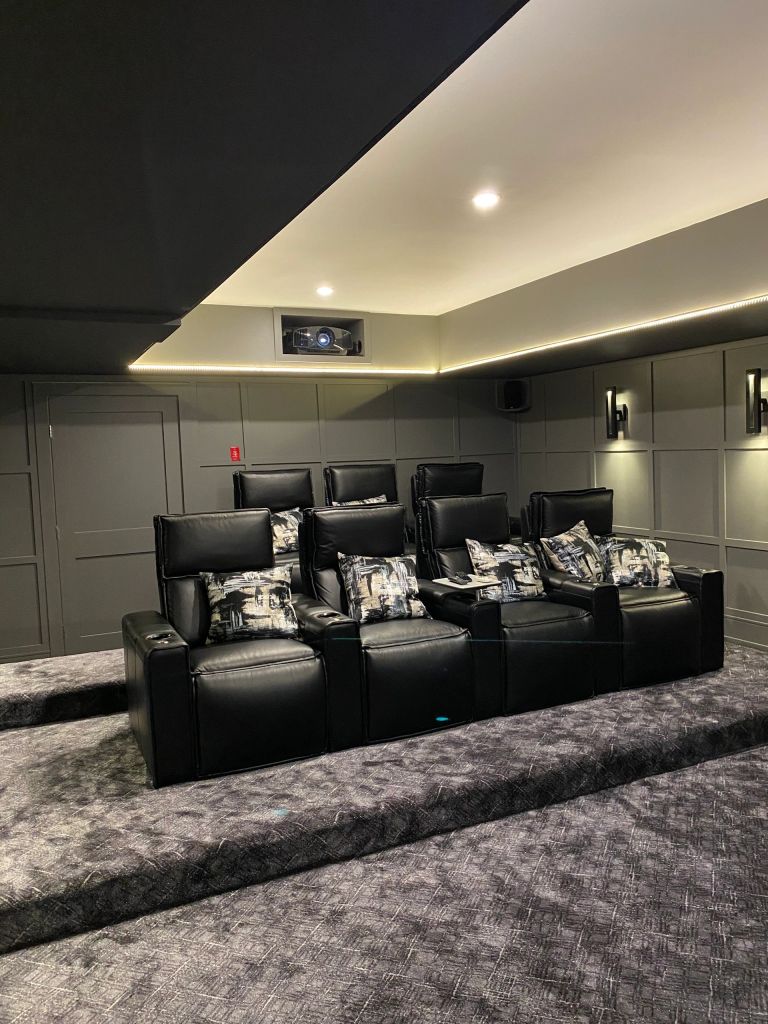
Amenity Technology
Audio, video and lighting in lounges and fitness rooms can be designed for easy, consistent use.
Shared-Space Security
Cameras at entries, garages and package areas can support awareness in common spaces.
Package & Delivery Areas
Connected entry and camera coverage can support secure package rooms and delivery access.
Planning a More Connected Building?
Al’s Smart Housing can design networking, access control, cameras, lighting and audio/video that work together across your property.
Benefits of a Connected Resident Experience
Less Friction
Residents spend less time juggling separate keys, apps and logins.
Consistent Connectivity
Coverage follows residents from their unit to shared spaces.
Coordinated Amenities
Shared spaces feel intentional when lighting, audio and video are planned together.
Simpler Management
Fewer disconnected systems can be easier for staff to understand and support.
Future Flexibility
A shared network foundation makes it easier to add compatible technology later.
Modern Appeal
A cohesive technology experience can help a property stand out to prospective residents.
Connected vs. Disconnected Building Technology
| Area | Disconnected Approach | Connected Approach |
|---|---|---|
| Entry | Separate keys for door, unit and amenities | Single compatible credential where supported |
| WiFi | Resident-installed routers in each unit | Planned property-wide network |
| Amenities | Standalone TVs and speakers | Coordinated audio, video and lighting |
| Support | Many systems with different vendors | Fewer, better-documented systems |
Connected Experience Inside the Unit
Inside the apartment, a connected experience can include lighting scenes, thermostat control, motorized shades and reliable WiFi for streaming and remote work.
The goal is technology that feels natural. Residents should be able to use wall controls as easily as an app, and devices should respond consistently.
Standardizing compatible equipment across units also helps staff support residents and reset systems between occupancies.
Connected Experience Beyond the Unit
Beyond the unit, residents interact with lobbies, hallways, garages, package rooms, fitness centers and outdoor spaces.
Planning entry, camera coverage, lighting and audio/video in these areas helps shared spaces feel cohesive with the apartments themselves.
Network coverage in these spaces matters too, since residents expect to stay connected wherever they are on the property.
Why Planning Matters More Than Any Single Device
A connected experience rarely comes from one product. It comes from choosing compatible systems, planning how they share the network and installing them consistently.
When systems are added one at a time without a plan, properties can end up with overlapping apps, coverage gaps and equipment that does not work well together.
Thinking through the full building, including wiring paths, equipment rooms and future additions, helps the connected experience hold up over time.
Building-Wide Rollout vs. Phased Approach
Building-Wide Rollout
Often best during new construction or major renovation, when networking, entry and unit technology can be installed together for maximum consistency.
Phased Approach
Existing properties may start with a stronger network and entry system, then add smart unit and amenity technology as budgets and schedules allow.
Connect Your Residents to a Better Building
Explore professional networking, automation, lighting, security, audio and video solutions from Al’s Smart Housing.
FAQs
Connected Resident Experience FAQs
What is a connected resident experience?
It is an approach where in-unit technology, building entry, networking and shared-space systems are planned to work together for residents.
How is it different from the digital resident experience?
The digital experience includes all online touchpoints, while the connected experience focuses on in-building technology working together.
What technology is involved?
Common elements include property-wide WiFi, smart unit controls, access control, cameras in shared areas and amenity audio and video.
Can residents use one credential for multiple doors?
Some compatible access systems support one credential for building, unit and amenity doors, depending on the hardware selected.
Does a connected experience require new construction?
No. New construction offers the most flexibility, but existing buildings can become more connected in phases.
Why does networking matter so much?
Most connected building systems and resident devices depend on reliable network coverage throughout the property.
Is a connected experience only for luxury properties?
No. The approach can be scaled to fit different building types and budgets by choosing which systems to connect.
Who installs connected building technology in Connecticut?
Al’s Smart Housing provides automation, Lutron systems, WiFi and networking, security cameras, access control, home audio and video, and home theater solutions.
Plan a Connected Experience for Your Residents
Speak with Al’s Smart Housing about networking, entry, lighting, security, audio and video systems designed to work together across your property.

