
Smart Home Glossary
What Is the Future of Smart Home Automation?
The future of smart home automation points toward systems that work together more easily, respond more reliably and fade into the background, so homes and apartments feel simpler to live in rather than more complicated.
The Future of Smart Home Automation Defined
The future of smart home automation refers to the trends shaping how connected homes and residential buildings are designed, installed and used. Rather than a single new gadget, the direction is toward better compatibility, more dependable performance and automation that adapts to how people actually live.
How Is Smart Home Automation Changing?
Early smart homes often meant a separate app for every device. The industry has been moving toward shared standards so products from different manufacturers can work together more easily.
There is also growing interest in local control, where automations keep running inside the home even if the internet connection drops, and in stronger privacy and security practices.
At the same time, homeowners and property owners are paying more attention to energy use, comfort and wellbeing, which is influencing how lighting, shading and climate systems are designed.
Trends Shaping the Future of Smart Home Automation
Interoperability Standards
Standards such as Matter aim to help compatible devices from different brands work together with less setup.
Local Control
More systems can run automations inside the home, improving responsiveness when the internet is slow or down.
Energy Awareness
Lighting, shading and climate controls increasingly help people understand and manage energy use.
Wellness Lighting
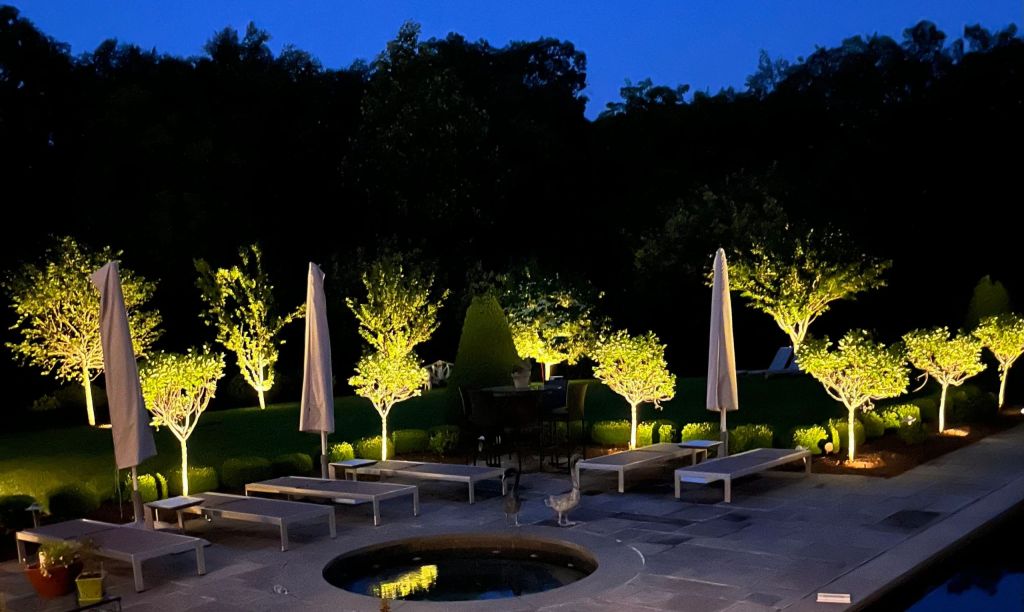
Tunable lighting that shifts color temperature through the day is becoming more common in homes.
Simpler Interfaces
Well-designed keypads, voice control and scenes reduce the need to open an app for daily tasks.
Stronger Networks
As more devices connect, professionally designed WiFi and wired infrastructure become even more important.
Planning a Home That Is Ready for What Comes Next?
Al’s Smart Housing can design lighting, shading, networking, security, audio and video systems with future flexibility in mind.
What These Trends Mean for Homeowners
Easier Expansion
Better compatibility can make it simpler to add devices over time.
More Reliable Automation
Local control helps everyday automations keep working consistently.
Comfort That Adapts
Lighting, shades and climate can respond to the time of day and the way rooms are used.
Thoughtful Energy Use
Controls can make it easier to avoid lighting or conditioning empty rooms.
Less Screen Time
Keypads, scenes and schedules handle routines without constant app use.
Long-Term Value
Good infrastructure installed now supports technology that arrives later.
Earlier Smart Homes vs. Where Automation Is Heading
| Area | Earlier Approach | Emerging Direction |
|---|---|---|
| Compatibility | Separate apps and ecosystems | Shared standards and better interoperability |
| Control | Mostly cloud-dependent | More local processing and control |
| Lighting | On, off and dimming | Scenes and tunable, time-of-day lighting |
| Design | Device by device | Whole-home systems planned together |
The Future for Single-Family Homes
In single-family homes, the direction is toward whole-home systems that coordinate lighting, shades, climate, audio and security around daily routines.
Homeowners are increasingly planning infrastructure during renovations or new construction, such as wiring, network cabling and equipment locations, so the home can adapt as products change.
The most successful systems tend to be the ones that feel effortless: a single button for evening, shades that respond to the sun and music that follows you from room to room.
The Future for Apartments and Multifamily
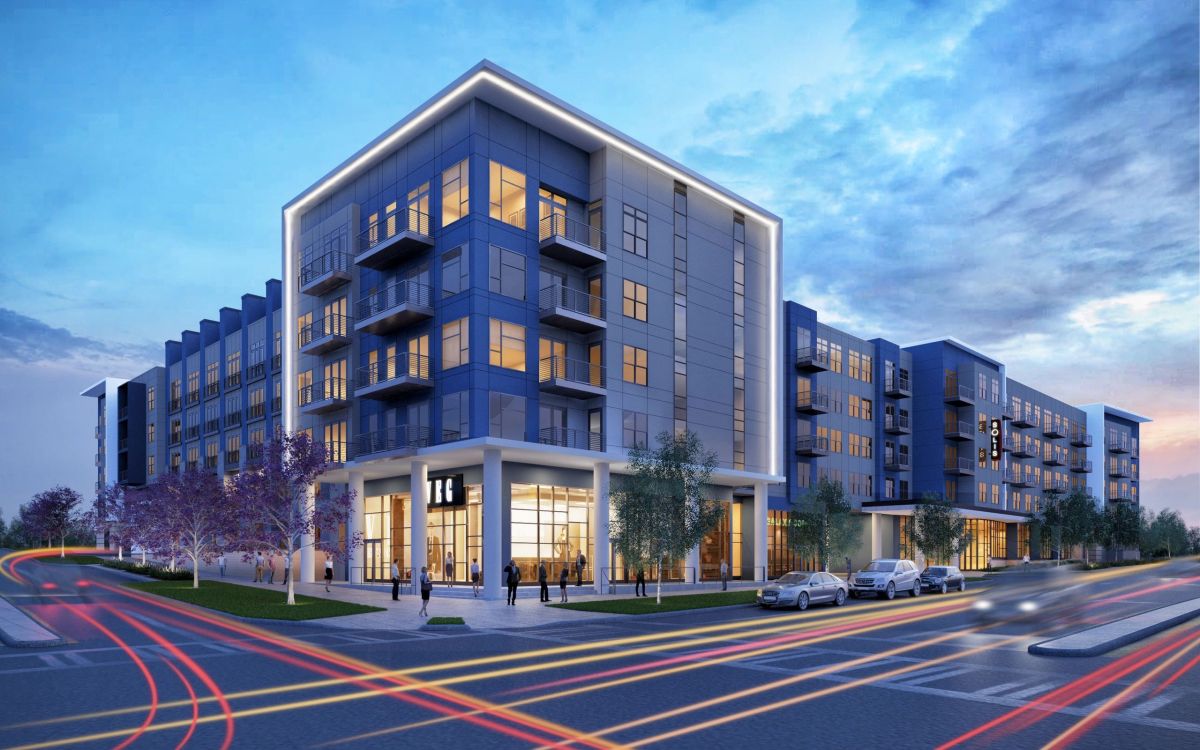
In apartments and multifamily buildings, automation is expanding from individual units into shared spaces, entry and building-wide networking.
Standardized, compatible equipment helps owners support technology across many units and reset systems between residents.
Strong network design is central, since many residents, devices and building systems share the same infrastructure.
Why Infrastructure Is the Best Way to Future-Proof
Devices will keep changing, but the wiring, network design and equipment locations inside a home tend to stay in place for many years.
Planning structured cabling, solid WiFi coverage and accessible equipment space gives a home or building the flexibility to adopt new technology without major rework.
Choosing established, well-supported systems for core functions like lighting control also helps protect the investment over time.
Building New vs. Upgrading an Existing Home
Building New
New construction is the ideal time to add wiring, network infrastructure and control locations that support both current and future automation.
Upgrading an Existing Home
Existing homes can modernize in phases with a stronger network, compatible lighting controls and wireless-friendly devices that work with newer standards.
Design a Smart Home Built to Last
Explore professional automation, Lutron lighting, shading, networking, security, audio and video solutions from Al’s Smart Housing.
FAQs
Future of Smart Home Automation FAQs
What is the future of smart home automation?
It is moving toward better device compatibility, more local control, energy-aware features, wellness lighting and simpler everyday use.
What is Matter?
Matter is an industry standard intended to help compatible smart home devices from different brands work together more easily.
Will today’s smart home devices become obsolete?
Some devices will be replaced over time, but well-chosen systems and solid infrastructure can stay useful for many years.
What is local control?
Local control means automations run inside the home rather than relying entirely on cloud services and an internet connection.
How can I future-proof my smart home?
Invest in good wiring, strong networking and established core systems, and plan equipment locations with room to grow.
Is smart home automation becoming easier to use?
Yes. The trend is toward scenes, keypads, voice control and schedules that reduce the need for constant app use.
Will smart technology play a bigger role in apartments?
Many owners are adding smart unit features, building-wide networking and connected entry to apartment properties.
Who installs future-ready smart home systems in Connecticut?
Al’s Smart Housing provides automation, Lutron systems, motorized shades, WiFi and networking, security, home audio and video, and home theater solutions.
Plan Your Smart Home for the Future
Speak with Al’s Smart Housing about professionally designed automation, lighting, networking, security, audio and video solutions for homes and properties.

