
Smart Home Glossary
What Is IoT Property Management?
IoT property management is the practice of using connected devices and the data they produce to help property teams monitor buildings, respond faster and run day-to-day operations more efficiently.
IoT Property Management Definition
IoT property management describes how property teams use Internet of Things devices, such as sensors, smart locks, thermostats and cameras, together with management software to oversee buildings. Instead of relying only on inspections and resident calls, managers can receive device alerts, check status remotely and act on information as it arrives.
How Does IoT Property Management Work?
Connected devices are installed in the places that matter most to operations: entry points, mechanical rooms, units, vacant apartments and shared amenities.
Those devices send data through the building network to a management platform selected by the property. Staff can then view dashboards, receive notifications and, for supported equipment, make changes from a phone or computer.
The value comes from workflows. An alert is only helpful if someone receives it, knows what to do and can follow up, so IoT property management pairs technology with clear responsibilities.
What IoT Property Management Can Cover
Vacant Unit Oversight
Connected thermostats and locks can help teams manage comfort settings and access in units between residents.
Self-Guided Access
Smart locks and readers can support controlled access for vendors, maintenance staff or scheduled tours.
Water and Leak Alerts
Sensors in high-risk areas can notify staff when moisture is detected.
Common-Area Monitoring
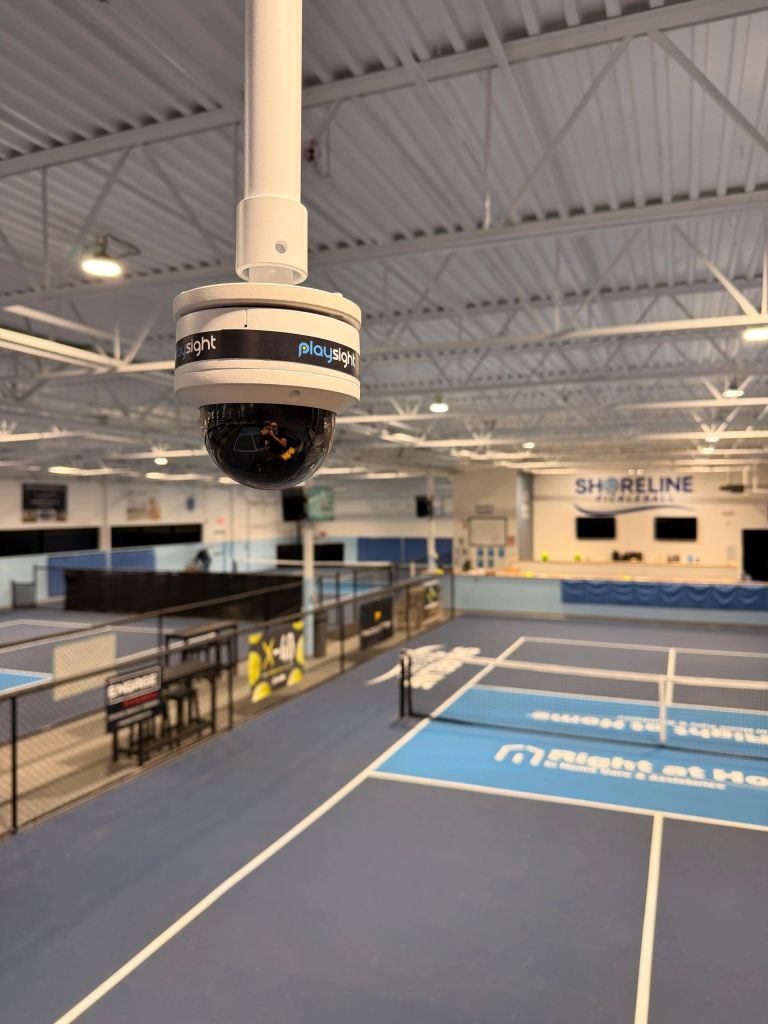
Cameras and sensors can provide visibility into lobbies, mailrooms, garages and amenity spaces.
Lighting Schedules
Connected lighting in shared spaces can follow schedules or occupancy rather than staying on all day.
Maintenance Insight
Device alerts and logs can help maintenance teams prioritize and document work.
Adding Connected Devices to Your Property Operations?
Al’s Smart Housing can install and integrate the access, camera, lighting, networking and automation hardware your management tools rely on.
Benefits of IoT Property Management
Faster Response
Alerts can reach the right staff member as soon as a device reports an issue.
Fewer Site Visits
Some checks and adjustments can be handled remotely for supported devices.
Controlled Access
Digital credentials can be issued, limited and revoked as needed.
Consistent Oversight
Multiple buildings can be monitored using similar devices and settings.
Documented Activity
Device logs can support maintenance records and follow-up.
Operational Clarity
Teams can see where attention is needed instead of guessing.
Traditional vs. IoT-Enabled Property Management
| Task | Traditional Approach | IoT-Enabled Approach |
|---|---|---|
| Vendor Access | Key handoffs and lockboxes | Time-limited digital credentials where supported |
| Leak Response | Reported after visible damage | Sensor alerts sent to staff |
| Vacant Units | Periodic walk-throughs | Remote checks of connected devices |
| Common Areas | Manual lighting and patrols | Scheduled lighting and camera visibility |
IoT for On-Site Teams
On-site staff benefit most when IoT reduces routine trips and surfaces issues earlier. A maintenance technician who knows which unit triggered a leak alert can arrive with the right tools.
Mobile access to device status also helps small teams cover larger properties without sacrificing responsiveness.
Clear alert rules matter. Too many notifications can be as unhelpful as too few, so properties typically tune which events go to which people.
IoT for Owners and Regional Managers
Owners and regional managers often look at IoT from a portfolio view, comparing how similar equipment performs across buildings.
Standardizing devices and naming conventions makes it easier to compare properties and train new staff.
Owners also weigh how IoT investments fit with existing management software, budgets and long-term renovation plans.
Why Installation Quality Matters for IoT Property Management
Management software can only work with what the hardware reports. A sensor in the wrong place, a lock with weak signal or a camera without stable power undermines the whole system.
Professional installation covers device placement, power, mounting, network coverage and labeling so staff know exactly what each device is and where it lives.
Documenting the installation also helps future technicians troubleshoot and expand the system without starting over.
Single Property vs. Multi-Property Portfolios
Single Property
A single building can start with a focused set of devices, such as access control and leak sensors, and expand as the team becomes comfortable with the tools.
Multi-Property Portfolio
Portfolios benefit from standard device choices, consistent network design and shared documentation so every building can be supported the same way.
Strengthen the Hardware Behind Your Operations
Explore access control, security cameras, networking, lighting and automation solutions from Al’s Smart Housing.
FAQs
IoT Property Management FAQs
What is IoT property management?
It is the use of connected devices and the data they generate to help property teams monitor, control and maintain buildings.
What devices are used in IoT property management?
Common devices include smart locks, access readers, leak sensors, thermostats, occupancy sensors, cameras and lighting controls.
Does IoT replace property management software?
No. IoT devices usually feed information into management platforms or their own apps, which staff use alongside existing tools.
Can IoT help with vacant units?
Connected thermostats, locks and sensors can make it easier to check and manage vacant units without frequent visits.
Is IoT property management only for large portfolios?
No. Single buildings can benefit too, often by starting with a few high-value devices.
What network does IoT property management need?
A reliable, secure network with good coverage in the areas where devices are installed is essential.
How are alerts managed?
Properties typically decide which events trigger notifications and which staff members receive them.
Who installs IoT hardware for properties in Connecticut?
Al’s Smart Housing installs access control, security cameras, networking, lighting control and automation systems for properties across Connecticut.
Equip Your Property for Connected Management
Speak with Al’s Smart Housing about professionally installed access, camera, networking, lighting and automation systems for your property.

