Smart Home Glossary
What Is Property Management Technology?
Property management technology is the collection of software, building systems and connectivity that owners and managers use to lease, maintain, secure and operate residential properties.
Property Management Technology Definition
Property management technology is an umbrella term for the digital and physical tools used in property operations. On the software side, it includes management platforms, maintenance tools and resident portals from software vendors. On the building side, it includes access control, cameras, intercoms, lighting controls, smart devices and the networks that tie them together.
How Does Property Management Technology Work?
Property management technology works in layers. Software organizes information and workflows, building systems control what happens physically at the property and the network connects everything.
Staff move between these layers throughout the day, checking a work order, issuing an access credential or reviewing a camera clip after a resident report.
The more these layers are planned together, the easier it is for staff to work efficiently and for residents to experience a well-run property.
Core Categories of Property Management Technology
Management Platforms
Software that handles units, leases, rent, accounting and resident records.
Maintenance Systems
Tools that receive, assign and track repair requests.
Access Control
Readers, smart locks and credentials that manage building entry.
Video Surveillance
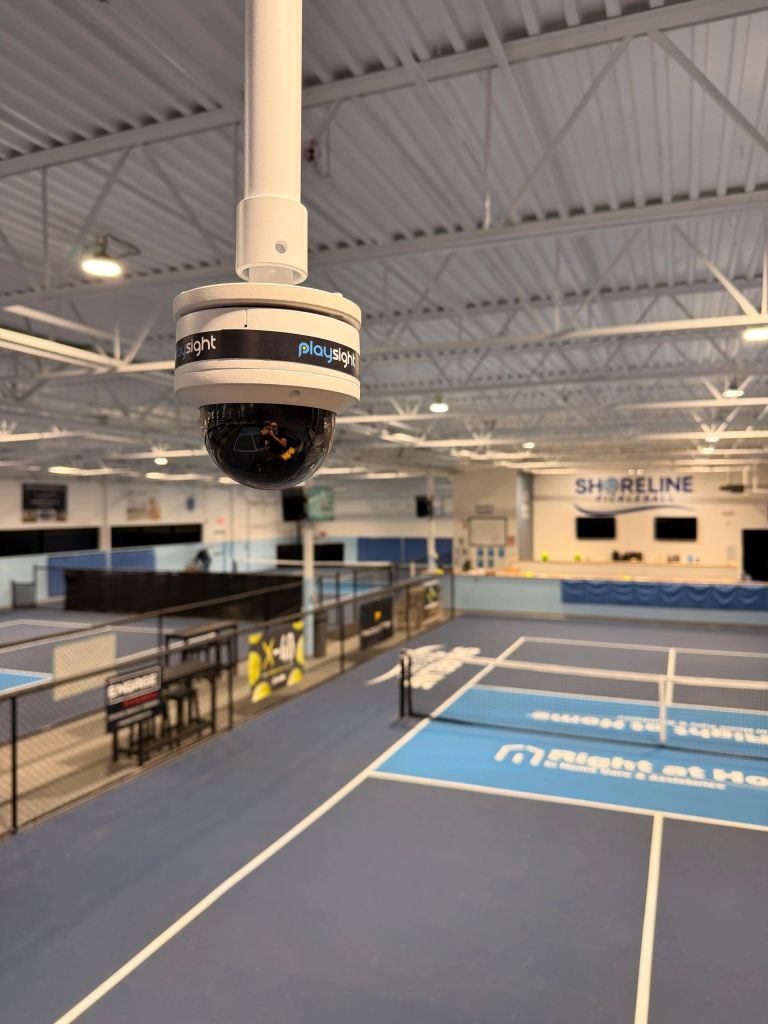
Cameras and recorders that provide visibility into shared areas.
Smart Unit Devices
Connected thermostats, locks and lighting controls inside apartments.
Network Infrastructure
Cabling, switches and WiFi that support every other system.
Building a Stronger Technology Stack for Your Property?
Al’s Smart Housing designs and installs the access, camera, smart device, lighting and networking layers of property management technology.
Benefits of Property Management Technology
Organized Operations
Information and tasks live in systems instead of scattered notes.
Responsive Service
Residents can submit requests and staff can respond faster.
Controlled Entry
Access can be granted and removed without changing locks.
Shared-Space Visibility
Cameras help staff understand events in common areas.
Modern Amenities
Smart unit features can make a property more appealing to residents.
Scalable Systems
Standardized technology can expand as a portfolio grows.
Software Layer vs. Building Technology Layer
| Aspect | Software Layer | Building Technology Layer |
|---|---|---|
| Purpose | Records, workflows and communication | Entry, security, comfort and connectivity |
| Users | Office staff, managers, residents online | Residents, staff and visitors on-site |
| Provided By | Software vendors | Installers and integrators |
| Key Dependency | Internet and user devices | Power, cabling and network design |
Property Management Technology for Leasing and Operations
On the operations side, technology helps teams track units, prospects, leases and maintenance with less paperwork.
Self-guided tours, digital applications and online payments are examples of software features that depend on reliable on-site technology, such as smart locks and connectivity.
Clear processes for how software and building systems are used together prevent gaps when staff change.
Property Management Technology for the Physical Building
The physical building is where technology is felt most by residents: entry, intercoms, lighting, climate and WiFi.
Choosing durable, compatible equipment and installing it carefully determines whether the technology is dependable day to day.
Documenting what is installed, where and how it is configured makes future service and upgrades far easier.
Why Planning the Technology Stack Matters
Properties often add technology one product at a time, which can lead to overlapping apps, incompatible devices and networks that were never designed for the load.
Planning the full stack, from network to devices to software, helps identify what should integrate, what should stay separate and what infrastructure is needed.
A clear plan also makes it easier to evaluate new products as they come to market.
Residents vs. Staff
For Residents
Residents value technology that makes living easier: simple entry, reliable WiFi, responsive maintenance and comfortable, convenient units.
For Staff
Staff value technology that reduces repetitive work, provides visibility and makes it easier to serve residents without constant site visits.
Modernize the Technology Behind Your Property
Explore access control, cameras, smart devices, lighting and networking solutions from Al’s Smart Housing.
FAQs
Property Management Technology FAQs
What is property management technology?
It is the software, building systems and networks used to lease, maintain, secure and operate properties.
What are examples of property management technology?
Examples include management platforms, maintenance tools, access control, cameras, smart thermostats and WiFi.
Is property management technology only software?
No. It also includes on-site building systems and the network infrastructure behind them.
Do smart locks count as property management technology?
Yes. Smart locks and access control are part of the building technology layer many properties use.
How do software and building systems connect?
Some platforms integrate directly with compatible hardware, while others run separately on the same network.
Why does network design matter?
Every connected system depends on the network, so poor design can affect all of them.
Does Al’s Smart Housing sell property management software?
No. Al’s Smart Housing installs the building technology and networks that work alongside property software.
Who installs property management technology in Connecticut?
Al’s Smart Housing installs access control, security cameras, smart devices, lighting control, networking, audio and video for properties in Connecticut.
Plan Your Property Technology
Speak with Al’s Smart Housing about professionally designed access, camera, smart device, lighting and networking systems.

