Smart Home Glossary
What Is Remote Property Management Technology?
Remote property management technology lets owners and staff monitor and handle parts of a property from somewhere else, using connected access, cameras, sensors and building controls.
Remote Property Management Technology Definition
Remote property management technology is the set of connected tools that allows a property to be overseen without someone always on site. The focus is location: being able to see, check or adjust systems from off the property, whether that is a single building or a second home.
How Does Remote Property Management Work?
On-site devices such as smart locks, access panels, cameras, thermostats and leak sensors connect to the internet through the property’s network.
Authorized staff or owners then use apps or web dashboards to view status, receive alerts, grant access or change settings from wherever they are.
Remote tools work best for monitoring, access and routine adjustments. Physical repairs and in-person resident needs still require someone to visit.
Common Remote Property Management Tools
Remote Access Control
Grant or revoke entry for vendors, staff or residents without handing over physical keys.
Camera Viewing
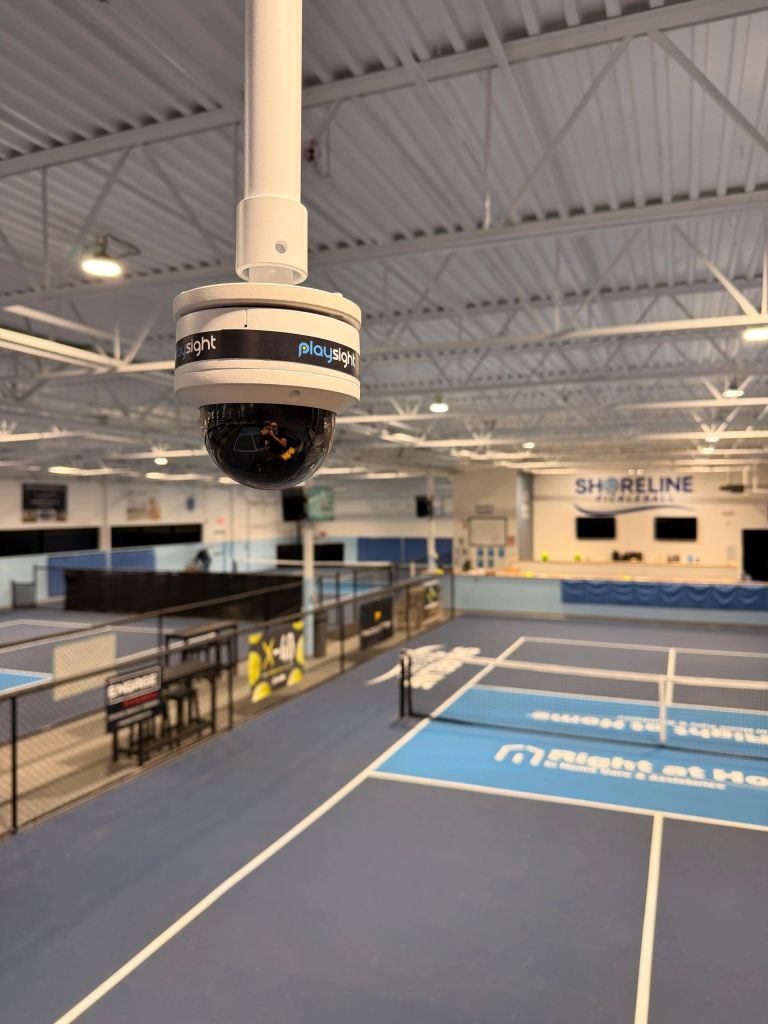
Authorized users can check entrances, parking areas and shared spaces from a phone or computer.
Climate Adjustments
Compatible thermostats can be checked and adjusted for vacant units or common areas.
Leak & Freeze Alerts
Sensors can notify someone quickly when water or low temperatures are detected.
Lighting Schedules
Common-area and exterior lighting can be scheduled or adjusted remotely.
Network Monitoring
Network equipment can report problems so connectivity issues are addressed sooner.
Want to Oversee a Property From Off Site?
Al’s Smart Housing can install the access control, cameras, sensors, lighting controls and networking that make remote oversight possible.
Benefits of Remote Property Management Technology
Fewer Trips
Routine checks and access requests can be handled without driving to the property.
Faster Awareness
Alerts for leaks, low temperatures or offline devices arrive as they happen.
Easier Vendor Access
Temporary credentials can be issued for scheduled service visits.
Vacant Unit Care
Climate and lighting in empty units can be managed between residents.
Peace of Mind
Owners of seasonal or second homes can check on their property while away.
Flexible Staffing
Smaller properties may be supported without full-time on-site staff.
What Can Be Done Remotely vs. On Site
| Task | Remotely | Still Needs a Visit |
|---|---|---|
| Access | Issue or revoke credentials | Repair a damaged lock or door |
| Security | View cameras and review footage | Respond in person to an incident |
| Climate | Adjust compatible thermostats | Service HVAC equipment |
| Water | Receive leak alerts | Shut off water and repair the source |
Remote Management for Apartment Properties
For smaller apartment buildings without full-time staff, remote tools can help a manager handle access, monitor shared spaces and respond to alerts from another location.
Clear procedures are important: who receives alerts, who can grant access and who goes on site when something needs hands-on attention.
Residents should still have a reliable way to reach someone for urgent issues.
Remote Management for Second Homes
Homeowners with seasonal or vacation properties in Connecticut often use remote technology to check cameras, adjust heat and receive freeze or leak alerts while away.
Remote access also makes it easier to let in cleaners, contractors or guests at scheduled times.
Pairing remote tools with a local contact who can visit when needed gives the most complete coverage.
Why Internet Reliability Is Critical for Remote Oversight
Remote tools only work when the property is online. If the internet connection or the on-site network goes down, alerts and remote controls may stop working.
Reliable network equipment, good coverage at doors and mechanical areas and, where appropriate, backup power for key network devices help keep remote access available.
Network monitoring can also alert someone when the connection itself has a problem.
Remote vs. Centralized Management
Remote Management
Focuses on overseeing a property from off site, using connected devices to monitor, grant access and adjust systems from a distance.
Centralized Management
Focuses on bringing many systems or properties into one coordinated view, whether staff are on site or not.
Manage Your Property With Confidence
Explore professional access control, security, networking, automation, audio and video solutions from Al’s Smart Housing.
FAQs
Remote Property Management Technology FAQs
What is remote property management technology?
It is connected technology that lets owners and staff monitor, access and adjust parts of a property from off site.
What devices are used for remote property management?
Common devices include smart locks, access panels, cameras, thermostats, leak sensors and lighting controls.
Can I let a contractor in remotely?
With compatible access control or smart locks, temporary credentials can often be issued for scheduled visits.
Is remote property management useful for second homes?
Yes. Many seasonal homeowners use cameras, climate control and leak or freeze alerts while away.
What happens if the internet goes down?
Remote features may stop working, which is why reliable networking and monitoring are important.
Does remote management replace on-site staff?
Not entirely. Repairs, emergencies and in-person resident needs still require someone to visit.
Is remote property management secure?
Security depends on strong credentials, limited user access and properly configured network equipment.
Who installs remote property technology in Connecticut?
Al’s Smart Housing provides automation, Lutron systems, WiFi and networking, security cameras, access control, home audio and video, and home theater solutions.
Stay Connected to Your Property From Anywhere
Speak with Al’s Smart Housing about access control, cameras, sensors and networking designed for remote property oversight.

