
Smart Home Glossary
What Is Smart Building Energy Management?
Smart building energy management connects lighting, shades, climate controls and sensors so they respond together to schedules, occupancy and conditions instead of operating as separate systems.
Smart Building Energy Management Definition
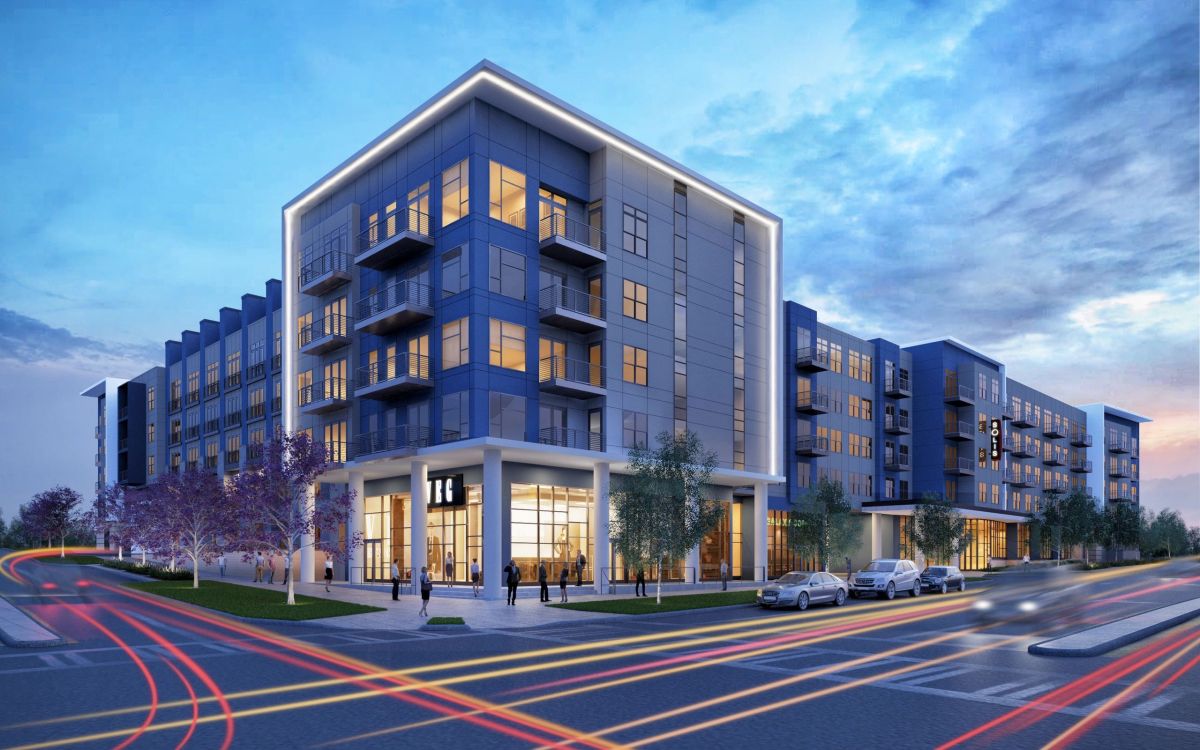
Smart building energy management is an integrated approach in which a building’s connected systems share information and follow coordinated rules to use energy more intelligently. The emphasis is on integration: an occupancy sensor might inform both lighting and climate, or a schedule might adjust lights, shades and thermostats in a lobby at the same time.
How Does Smart Building Energy Management Work?
Connected devices report their status and receive commands through a control system or set of integrated platforms. Rules, often called automations or sequences, tell systems how to respond to time of day, occupancy, daylight and other inputs.
For example, when a clubroom’s booking ends, lighting can dim, shades can return to a default position and the thermostat can move to an unoccupied setting.
Integration may involve lighting control, shade, thermostat and access systems, while interfaces to central HVAC equipment are typically coordinated with the building’s mechanical contractor or controls vendor.
Systems Involved in Smart Building Energy Management
Lighting Control
Scheduled, dimmed and sensor-driven lighting across corridors, lobbies, amenities and exterior areas.
Daylight Response
Sensors and shade automation can balance natural light with electric lighting near windows.
Climate Controls
Smart thermostats and supported HVAC interfaces adjust comfort settings by schedule or occupancy.
Occupancy Sensing
Sensors indicate when spaces are in use so connected systems can respond.
Access and Scheduling
Amenity reservations or access events can be used as signals for other systems where integrations allow.
Central Interface
Staff can view and adjust connected systems from a single dashboard or touch panel.
Integrating Building Systems for Smarter Energy Use?
Al’s Smart Housing can help design and install integrated lighting control, shades, thermostats, access and the network that connects them.
Benefits of Smart Building Energy Management
Coordinated Response
Multiple systems react together instead of relying on separate schedules.
Less Manual Work
Staff spend less time walking the building to adjust lights and settings.
Space-Aware Operation
Amenities and shared spaces run when they are actually used.
Daylight Use
Natural light can reduce reliance on electric lighting where design allows.
Consistent Experience
Residents and guests find spaces comfortable and well lit when they arrive.
Room to Grow
Integrated platforms can add new devices and rules over time.
Separate Systems vs. Integrated Smart Building Management
| Factor | Separate Systems | Integrated Management |
|---|---|---|
| Schedules | Set individually in each system | Coordinated across systems |
| Occupancy | Affects only the device it controls | Can inform lighting, shades and climate |
| Staff Interface | Several apps and panels | Fewer, unified controls |
| Changes | Updated system by system | Updated through shared rules |
Designing Integration Rules
Good integration starts with simple, understandable rules. Staff should be able to predict what will happen when a space becomes occupied or a schedule changes.
Overrides are essential. Wall controls and staff interfaces should allow temporary changes for events, cleaning or maintenance without breaking the automation.
Documenting each rule and its purpose helps future staff and service technicians maintain the system.
Choosing Compatible Platforms
Not every device can share information with every platform. Choosing lighting, shade and climate products that support the planned integrations avoids gaps later.
Some integrations rely on cloud services, while others run locally. Local control can keep core functions working if internet service is interrupted.
An integrator can help match products and platforms to the building’s goals and existing equipment.
Why Overrides and Simplicity Matter
Automation that feels unpredictable can frustrate residents and staff, which often leads to systems being disabled. Simple, reliable behavior builds trust.
Clear keypads, labeled scenes and easy temporary overrides let people stay in control while the automation handles routine adjustments.
Reviewing rules periodically keeps them aligned with how the building is actually used as amenities, hours and occupancy patterns change.
Local Control vs. Cloud-Based Control
Local Control
Processing on site keeps schedules, scenes and sensor responses working even if the internet connection is temporarily unavailable.
Cloud-Based Control
Cloud platforms simplify remote access, updates and multi-site management, but they depend on a reliable internet connection.
Make Your Building Systems Work Together
Explore professional automation, Lutron lighting control, shades, thermostats and networking from Al’s Smart Housing.
FAQs
Smart Building Energy Management FAQs
What is smart building energy management?
It is an integrated approach where connected lighting, shades, climate and sensors follow coordinated rules to use energy more intelligently.
How is it different from a basic energy management system?
The emphasis is on integration, so systems share information and respond together rather than operating separately.
Can it control central HVAC equipment?
Some platforms can interface with HVAC controls, typically coordinated with the building’s mechanical contractor or controls vendor.
Can staff override automated settings?
They should be able to. Good designs include simple, temporary overrides for events and maintenance.
Does it require cloud services?
Not always. Some systems run locally, while cloud services add remote access and multi-site management.
Is it suitable for apartment buildings?
Yes, especially in lobbies, corridors, amenities and other shared spaces where schedules and occupancy vary.
Can it be added to an existing building?
Often, yes. Many buildings start with lighting control in common areas and add integrations over time.
Who installs smart building energy management systems in Connecticut?
Al’s Smart Housing provides automation, Lutron lighting control, motorized shades, smart thermostats, access control, WiFi and networking, security, and audio and video solutions.
Plan Integrated Energy Management for Your Building
Speak with Al’s Smart Housing about integrated lighting, shades, climate, access and networking designed around how your building is used.

